Fish pond pumps and outside electrics typically encounter typical problems like cavitation, impeller wear, and airlock problems, which can reduce efficiency and interfere with water circulation. It's essential to look for obstructions, check electrical connections, and verify correct grounding to stop security dangers. In addition, normal upkeep and water quality testing assistance maintain your fish pond healthy. If you're interested concerning effective approaches and solutions for these issues, there are plenty much more suggestions to check out.
Takeaways
- Pump cavitation can occur from reduced water levels, causing sound and reduced effectiveness in pond pumps. Obstructions in the intake or skimmer can cause low flow and influence pond health because of torpidity. Electrical issues like power surges and frayed cords posture risks of short circuits and fires in exterior electrics. Routine upkeep, including seasonal assessments and algae control, is necessary for optimal pump performance. Proper grounding and weatherproofing are important to shield electric components from ecological damages.
Typical Fish Pond Pump Problems and Solutions
Pertaining to pond pumps, issues can surface unexpectedly, leaving you aggravated and your water feature in jeopardy. One usual issue is pump cavitation, which occurs when the pump isn't getting sufficient water. This can lead to noise and reduced effectiveness, harming the pump in time. You'll intend to check for obstructions or low tide levels to stop this.
An additional concern is impeller put on, often caused by debris or sediment in the water. Gradually, this wear can markedly reduce your pump's efficiency and life expectancy. Routine maintenance, consisting of cleansing the impeller and making sure clear water consumption, can help mitigate these problems. By staying aggressive, you can keep your pond pump running smoothly and keep the charm of your exterior area.
Fixing Low Water Flow Problems
Low tide flow can be a frustrating issue that often stems from problems like pump cavitation or impeller wear. First, look for pump cavitation, which happens when the pump isn't receiving enough water. Ensure the water degree in your fish pond is sufficient and that there are no obstructions in the intake. Next off, evaluate the impeller. An improper impeller can lead to decreased flow rates. If it's damaged or put on, it could not be able to push water effectively. Normal upkeep, including cleaning up the pump and changing worn components, can prevent these concerns. Last but not least, ensure your pump is appropriately sized for your fish pond to preserve peak efficiency. Addressing these elements will help restore your water flow.
Reasons Your Fish Pond Pump May Shut Off
If your pond pump instantly shuts off, it can throw a wrench in your outdoor setup. One usual factor might be airlock issues, where trapped air protects against water from streaming through the pump. This can trigger the pump to overheat and close down. One more potential wrongdoer is the float button. If it's stuck or malfunctioning, it might not signify the pump to run, resulting in an unanticipated closure. In addition, reduced water levels can activate the pump's security function, causing it to transform off to avoid damages. Normal upkeep and tracking can help you catch these troubles early, ensuring your pond pump runs smoothly and keeps your exterior room prospering.
Determining Electric Problems in Your Fish Pond Devices
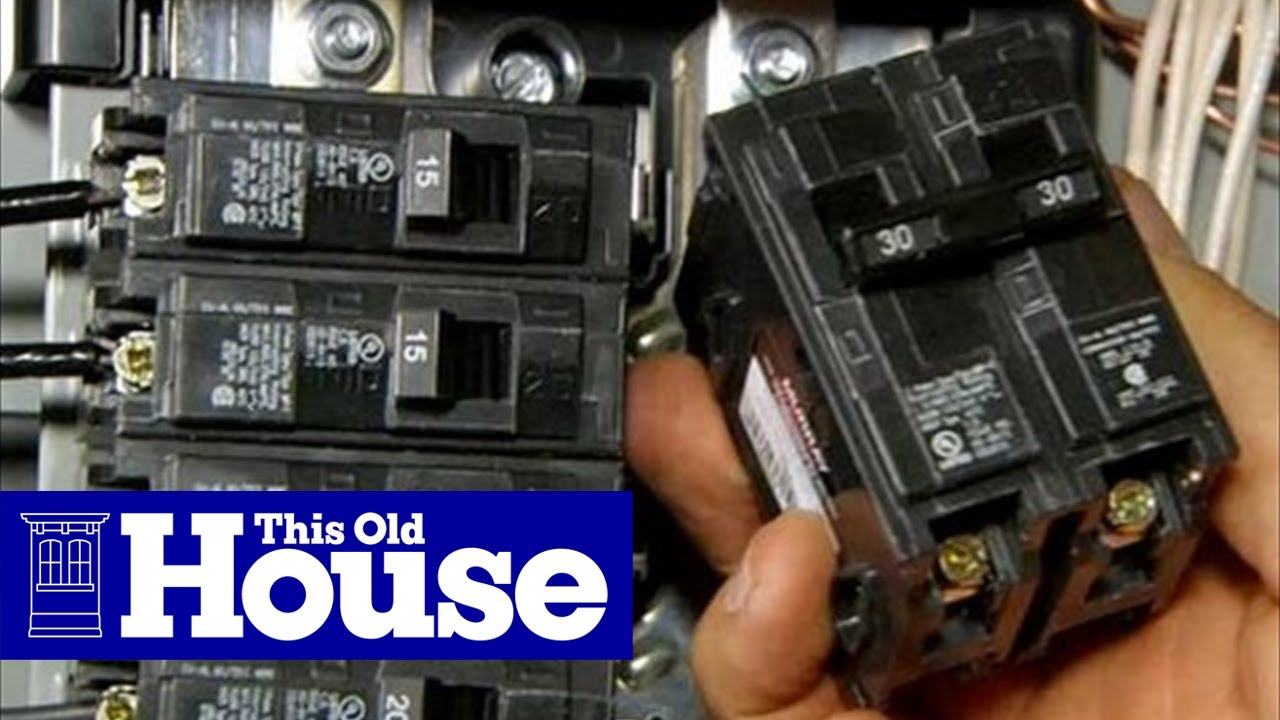
While enjoying your fish pond, you might not recognize that electric problems can impact your pond devices substantially. One typical problem is power surges, which can damage your pump or lighting. It's vital to examine for signs of insulation deterioration, as worn-out electrical wiring can cause brief circuits or even electric fires. Frequently check your equipment for torn cords or revealed cords. If you observe any uncommon audios or irregular efficiency, it can signify a hidden electrical issue. Do not overlook these indicators; addressing them without delay can conserve you cash and prevent further damage. By keeping an eye on your fish pond's electric components, you can ensure a secure and pleasurable setting for both you and your marine life.
Efficient Methods for Lowering Algae in Your Fish pond
Electric concerns can impede the correct performance of your pond devices, yet they aren't the only issue for keeping a healthy fish pond community. To successfully minimize algae growth, begin with algae skimming. Routinely remove noticeable algae to avoid it electrician Snodland from spreading and eating nutrients. Furthermore, think about making use of barley straw. This all-natural technique can hinder algae growth as it decomposes, releasing compounds that hinder algae spreading. Make sure your fish pond's ecosystem is stabilized by keeping proper water blood circulation and aeration, which can help stop stagnant problems excellent for algae. Finally, limitation excess nutrients by staying clear of overfeeding fish and minimizing drainage from surrounding areas. With these approaches, you can advertise a more clear, healthier pond atmosphere.
Electrical Wiring Your Pond Tools Safely
Wiring your fish pond tools securely is essential for both efficiency and security. You'll want to guarantee proper grounding techniques remain in place and use weatherproof connections to secure against the components. Taking these actions can avoid electrical risks and keep your pond running efficiently.
Correct Grounding Methods
Safety is paramount concerning circuitry your pond equipment, and correct grounding strategies play a vital role in protecting against electric dangers. Beginning by utilizing efficient bonding techniques to link all metal parts, ensuring they share the very same electrical possibility. This lessens shock dangers. Next, apply dirt grounding by driving a grounding rod into the ground near your tools. See to it the pole is at least 8 feet long and effectively linked to your system. For added security, take into consideration utilizing a ground mistake circuit interrupter (GFCI) to turn off power in situation of a mistake. Frequently examine your links and grounding system to make sure everything continues to be secure and reliable, keeping your fish pond location secure for everybody.
Weatherproof Connections Value
While you could assume that just attaching your fish pond tools is sufficient, guaranteeing that those links are weatherproof is crucial for long-term functionality and safety. Using UV immune seals assists protect your electrical wiring from extreme sunshine and protects against deterioration gradually. In addition, installing IP rated enclosures is necessary for securing your electric parts from water and dirt. These enclosures provide a trusted barrier versus the aspects, decreasing the threat of brief circuits or devices failure. Bear in mind, a little additional initiative in waterproofing your links can save you from expensive repair services later on. Focus on weatherproofing to guarantee your fish pond equipment runs successfully, maintaining your fish pond healthy and balanced and stunning year-round.
Upkeep Tips to Prevent Pond Troubles
Routine maintenance is vital for preventing pond troubles and ensuring your aquatic environment grows. By complying with these easy suggestions, you can keep your pond healthy:
Seasonal Inspections: Examine your fish pond at the beginning of each season. Look for any kind of indications of wear on pumps and tools, and make certain everything's working effectively. Particles Skimming: Remove fallen leaves, branches, and various other debris regularly. This helps preserve water clarity and stops the buildup of damaging substances. Water High Quality Testing: Evaluate your pond water for pH, ammonia, and nitrate levels. Maintaining these in check advertises a well balanced ecological community.Taking these actions will certainly assist you prevent pricey repair work and keep a lovely, prospering fish pond.
When to Call an Expert for Fish Pond Equipment Issues
Knowing when to call an expert for pond devices problems can save you time and tension. If you see consistent troubles despite normal maintenance, it's a good idea to look for a specialist inspection. This might avoid minor concerns from escalating right into costly repair work. Additionally, if your pond tools is under service warranty, a warranty assessment can clarify what's covered and whether you need to attempt repair work yourself or let a professional manage it. Don't wait to connect if you're unclear concerning electrical concerns or complicated pump malfunctions. Remember, dealing with these issues on your own could result in even more damage or security hazards. Trusting a professional guarantees your pond continues to be healthy and balanced and functioning smoothly.
Just how to Identify a Clogged Filter in Your Fish pond?
A stopped up filter can slip up on you, leading electrician snodland to dirty water and harmful fish pond conditions. To determine if your filter needs interest, do a filter evaluation consistently. Below are three indicators that suggest a clogged skimmer:
Minimized Water Circulation: If you observe weak water blood circulation, it's a clear indication your filter's battling. Particles Buildup: Seek too much leaves, algae, or other substances around the skimmer; this can block water flow. Unpleasant Smell: A foul odor might show stationary water because of a clogged up filter, impacting your pond's health.Regularly Asked Concerns
Exactly how Frequently Should I Replace My Pond Pump?
You should consider changing your fish pond pump every 3 to 5 years, depending upon its solution period and performance. Routine maintenance can expand its life, yet if you observe an efficiency decline, it might be time for a substitute. Keep an eye on performance and noise levels; if it's having a hard time to operate or making unusual sounds, don't wait too long to buy a brand-new pump for the wellness of your pond.
Can I Use a Garden Pipe With My Fish Pond Pump?
Certain, you can make use of a garden tube with your pond pump-- due to the fact that that would not intend to include circulation limitations to their water feature? However, you'll require tube adapters to ensure an appropriate fit. Just bear in mind that utilizing a common yard hose pipe may limit the pump's performance, affecting the water flow you're trying to attain. It's a trade-off between convenience and optimal efficiency, so pick wisely!
What Size Pond Pump Do I Need for My Fish pond?
To determine the size pond pump you need, consider your pond's volume and wanted circulation rate. A general rule is to go for a pump ability that circulates the whole volume of your pond at the very least when every two hours. As an example, if your pond holds 1,000 gallons, seek a pump with a circulation rate of at least 500 gallons per hour. This assures proper purification and oxygenation for your aquatic life.
Are Solar-Powered Pond Pumps Effective?
Yes, solar-powered pond pumps can be reliable, specifically if you take into consideration solar reliability and panel positioning. When positioned correctly, the solar panels can capture optimal sunshine, ensuring consistent pump procedure. Nevertheless, their efficiency can differ based on your place and seasonal modifications. it's crucial to choose a pump that matches your pond's size and to preserve the panels for peak performance. With correct setup, they can be a sustainable choice for your fish pond.
Just how Do I Winterize My Pond Pump?
To winterize your pond pump, you must initially detach power to stay clear of any kind of electrical dangers. Did you know that poorly saved pumps can lower their life-span by approximately 50%? Next, get rid of the pump from the water, ensuring you clean it extensively to avoid algae build-up. Store it in a completely dry, frost-free place. This easy process will maintain your pump in great form for the next period, ensuring it runs successfully.